
 by
by Introduction
Healthy weight loss is not about extreme diets or quick fixes.It’s about creating habits that support your body and fit into your daily life. For beginners, the process can feel overwhelming with so much conflicting advice available. Understanding the basics of nutrition, physical activity, and mindset is the first step toward making lasting changes. A healthy approach focuses on progress, not perfection, and encourages balance rather than restriction.
This guide is designed to help you start your weight loss journey with confidence and clarity. You’ll learn simple, practical strategies that promote steady results while protecting your overall health. By focusing on small, sustainable changes, you can improve your energy levels, boost your well-being, and build a healthier relationship with food and exercise. Weight loss is a journey, and with the right foundation, it can be both achievable and rewarding.
What Does Healthy Weight Loss Really Mean?
Healthy weight loss is not about starving yourself or chasing rapid results. It focuses on gradual, steady progress while maintaining overall physical and mental well-being. For most people, losing about 0.5–1 pound (0.25–0.5 kg) per week is considered a safe and sustainable pace.
Rather than aiming for a specific number on the scale, healthy weight loss prioritizes:
1-Improved energy levels
2-Better digestion and sleep
3-Stronger muscles and bones
4-Reduced risk of chronic diseases
5-A positive relationship with foo
Balanced, Weight-Loss-Friendly Diet
A healthy diet for weight loss should be balanced, enjoyable, and flexible.
1- Protein
Protein helps preserve muscle, supports metabolism, and keeps you feeling full. Include a source of protein in every meal, such as:
Eggs
Chicken or turkey
Fish
Beans and lentils
Tofu or tempeh
Greek yogurt
2-Weight lose with vegetable
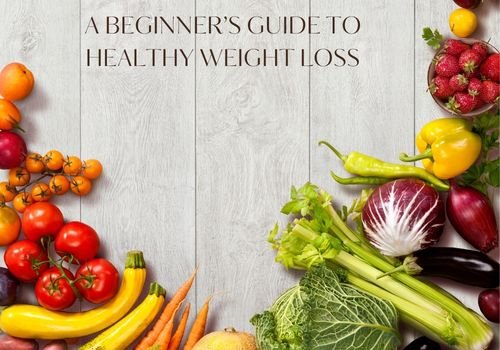
Losing weight with vegetables is a healthy and effective approach because vegetables are low in calories and high in fiber. They help you feel full for longer while providing essential vitamins and minerals. Including a variety of vegetables in daily meals supports digestion, reduces cravings, and makes weight loss more sustainable and balanced.
3-Weight lose with exercise
Weight loss with exercise improves both physical fitness and overall health. Regular activities like walking, jogging, or strength training help burn calories, build muscle, and boost metabolism. Exercise also improves mood and energy levels, making it easier to stay consistent and maintain healthy weight loss over time.
4-Creating a strong mindset
Creating a strong mindset is essential for long-term success in any goal. It involves staying positive, being patient with progress, and learning from setbacks instead of giving up. A strong mindset helps you stay focused, motivated, and confident, even when challenges arise or results take time.
Final Thought
Healthy weight loss is a journey, not a race. By focusing on balanced nutrition, regular movement, and supportive lifestyle habits, beginners can achieve lasting results without sacrificing their well-being.
Remember: the best plan is one you can stick to. Start small, stay consistent, and prioritize your health over quick results. Over time, these simple, healthy choices can lead to meaningful and lasting change.


Thanks to read my article.