
 by
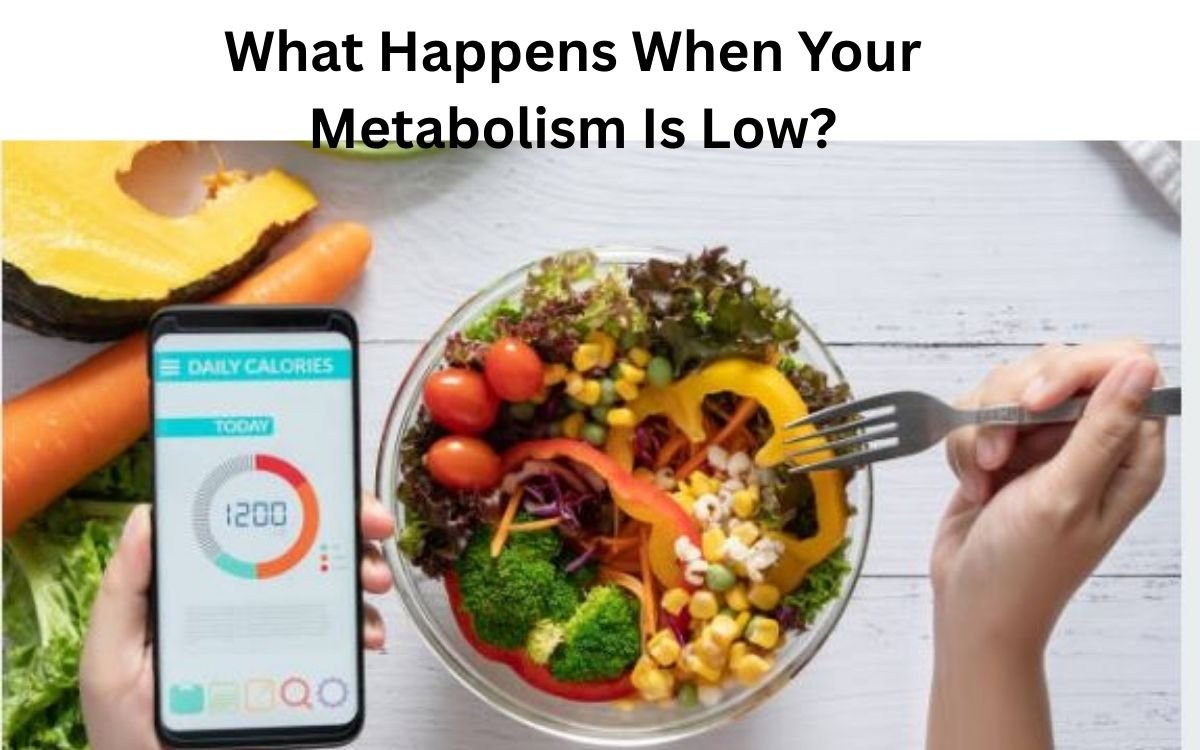
by Metabolism is the process your body uses to turn food into energy. When your metabolism is low, your body burns reduce calories, even when you are resting. This can affect your weight, energy levels, and overall health. Many people struggle with a slow metabolism without even realizing it.
question=What Happens When Your Metabolism Is Low?
ans=When your metabolism is low, your body burns reduce calories and produces less energy.
What Is Low Metabolism?
Low metabolism means your body is burning calories more slowly than normal. Instead of using food for energy, your body may store more of it as fat. This makes weight gain easier and weight loss harder.
A slow metabolism can be caused by age, lack of physical activity, poor diet, stress, hormonal issues, or not eating enough food.
Signs and Effects of Low Metabolism
1. Weight Gain or Difficulty Losing Weight
One of the biggest signs of low metabolism is weight gain. Even if you eat small amounts, your body may still store fat. Losing weight becomes very slow and frustrating.
2. Constant Tiredness
When your metabolism is slow, your body does not produce enough energy. This can make you feel tired, lazy, and low on energy throughout the day.
3. Feeling Cold Often
A slow metabolism reduces heat production in your body. This is why people with low metabolism often feel cold, especially in hands and feet.
4. Digestive Problems
Low metabolism can slow down digestion. This may cause bloating, constipation, and stomach discomfort.
5. Dry Skin and Hair
Your body needs energy to keep skin and hair healthy. With a low metabolism, you may notice dry skin, hair fall, or brittle nails.
6. Mood Changes and Brain Fog
Low metabolism can affect your brain too. You may feel irritated, sad, or have trouble focusing and remembering things.
7. Slow Heart Rate
When your metabolism is low, your body’s systems slow down including your heart rate. This means your heart may beat fewer times per minute than normal. A slow heart rate can make you feel weak, dizzy, or light-headed. Some people also feel short of breath or tired even after doing small tasks.
This happens because a slow metabolism reduces energy production and affects how well your heart pumps blood. Over time, this can lower stamina and make daily activities feel harder.
Why Low Metabolism Is a Problem
A low metabolism does not just affect weight. Over time, it can increase the risk of:
- Obesity
- Diabetes
- Hormonal imbalance
- Poor immunity
- Low confidence and stress
That’s why improving metabolism is important for overall health.
Simple Ways to Improve Metabolism Naturally
The good news is that metabolism can be improved with small lifestyle changes:
- Eat regular, balanced meals
- Include protein in every meal
- Drink enough water
- Move your body daily (walking, stretching, exercise)
- Get enough sleep
- Avoid extreme dieting or skipping meals
Final Thoughts
When your metabolism is low, your body slows down in many ways—from burning calories to producing energy. This can lead to weight gain, tiredness, and other health problems. Understanding the signs early and making healthy changes can help boost your metabolism naturally and improve your quality of life.
A healthy metabolism means a healthier, happier you.



One thought on “What Happens When Your Metabolism Is Low?”